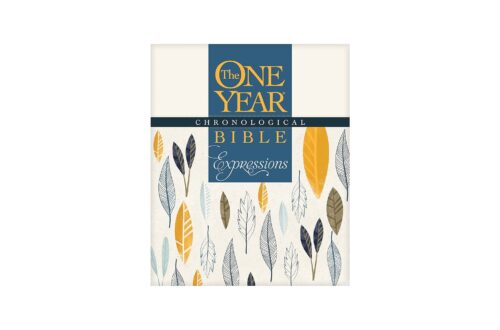
Many Christians read the Bible from Genesis to Revelation in its traditional, canonical order. This approach is valuable and has shaped the faith of believers for centuries. Yet there is another powerful way to engage Scripture that often brings new clarity and depth: chronological Bible study.
A chronological study of the Bible arranges the Scriptures in the order events happened in history rather than the order the books appear in the Bible. While the canonical order is inspired and intentional, reading the Bible chronologically helps us see God’s story unfold in real time.
What Is a Chronological Bible Study?
Chronological Bible study follows the timeline of biblical events as closely as possible. For example:
- The book of Job is often read during the time of Genesis, since Job likely lived in the patriarchal era.
- Psalms are placed within the historical events of David’s life.
- The Gospels are harmonized so that the life of Jesus is read as a single, flowing narrative.
- Paul’s letters are read alongside the events in Acts when they were written.
Rather than jumping between time periods, this approach allows you to experience Scripture as a continuous story of God’s redemptive work.
The Value of the Canonical Order
Before comparing the two, it’s important to affirm the value of the canonical order of Scripture. The Bible is arranged intentionally:
- The Law, Prophets, Writings, Gospels, Epistles, and Revelation each serve theological purposes.
- Themes develop across books and genres.
- Doctrinal teaching is clearly organized, especially in the New Testament letters.
Studying the Bible canonically helps believers understand theology, doctrine, and the distinct voices of each biblical author. It is especially helpful for topical studies, memorization, and doctrinal grounding.

Benefits of Studying the Bible Chronologically
While the canonical order emphasizes theological structure, chronological study emphasizes historical flow. Here are several key benefits:
1. You See the Big Picture More Clearly
Reading the Bible chronologically highlights the Bible as one unified story—from creation to new creation. You can clearly see how God’s promises build, unfold, and are fulfilled over time.
This approach helps connect:
- God’s covenant with Abraham
- Israel’s history
- The coming of Christ
- The birth and growth of the early church
The Bible becomes less like a collection of separate books and more like a single, sweeping narrative.
2. Historical Context Comes Alive
Chronological study places events, psalms, and prophecies within their historical moments. This makes Scripture feel more grounded and relatable.
For example:
- Reading a psalm of distress alongside David’s flight from Saul deepens its emotional impact.
- Reading prophetic warnings alongside the kings of Israel and Judah clarifies why God spoke so urgently.
Context brings clarity—and clarity strengthens understanding.
3. It Reduces Confusion for New Readers
For those new to the Bible, jumping between different genres and time periods can be overwhelming. Chronological study offers a more natural entry point by following a storyline similar to other historical narratives.
Instead of asking, “Where does this fit?” readers can simply ask, “What happens next?”
4. God’s Faithfulness Becomes More Evident
When Scripture is read in historical order, God’s faithfulness stands out more clearly. You can trace His patience with Israel, His repeated calls to repentance, and His unwavering commitment to His promises.
Seeing cause and effect over time highlights both human failure and divine grace—again and again.
Chronological vs. Canonical: Which Is Better?
The answer is not either/or—it’s both/and.
- Canonical study is excellent for theological depth, doctrinal clarity, and focused study.
- Chronological study is ideal for understanding the storyline, historical context, and God’s unfolding plan.
Many believers find that alternating between these approaches enriches their spiritual growth. Reading chronologically can refresh your understanding, while canonical study can deepen your convictions.
A Final Encouragement
Studying the Bible chronologically invites you to walk through history with God’s people—to feel their joys, struggles, failures, and hopes as they happened. It reminds us that God works within time, yet remains faithful beyond it.
Whether you are reading Scripture for the first time or revisiting familiar passages, a chronological approach can help you rediscover the wonder of God’s Word and see His redemptive plan with fresh eyes.
No matter the method, the goal remains the same: to know God more deeply and to live in faithful response to His Word.